Discover Bellagio on Lake Como.
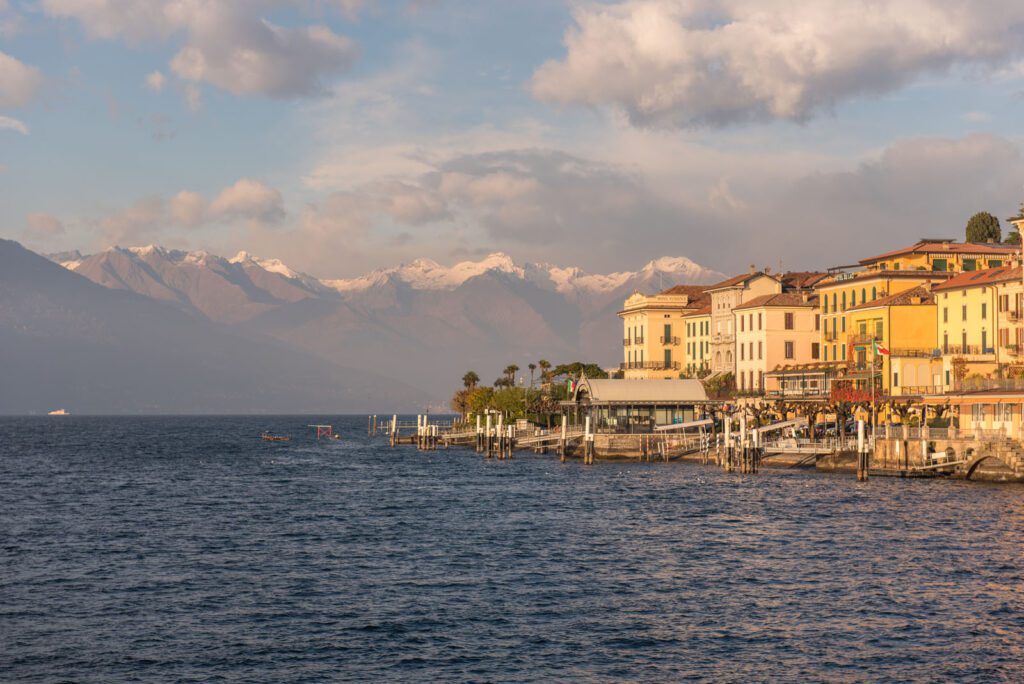
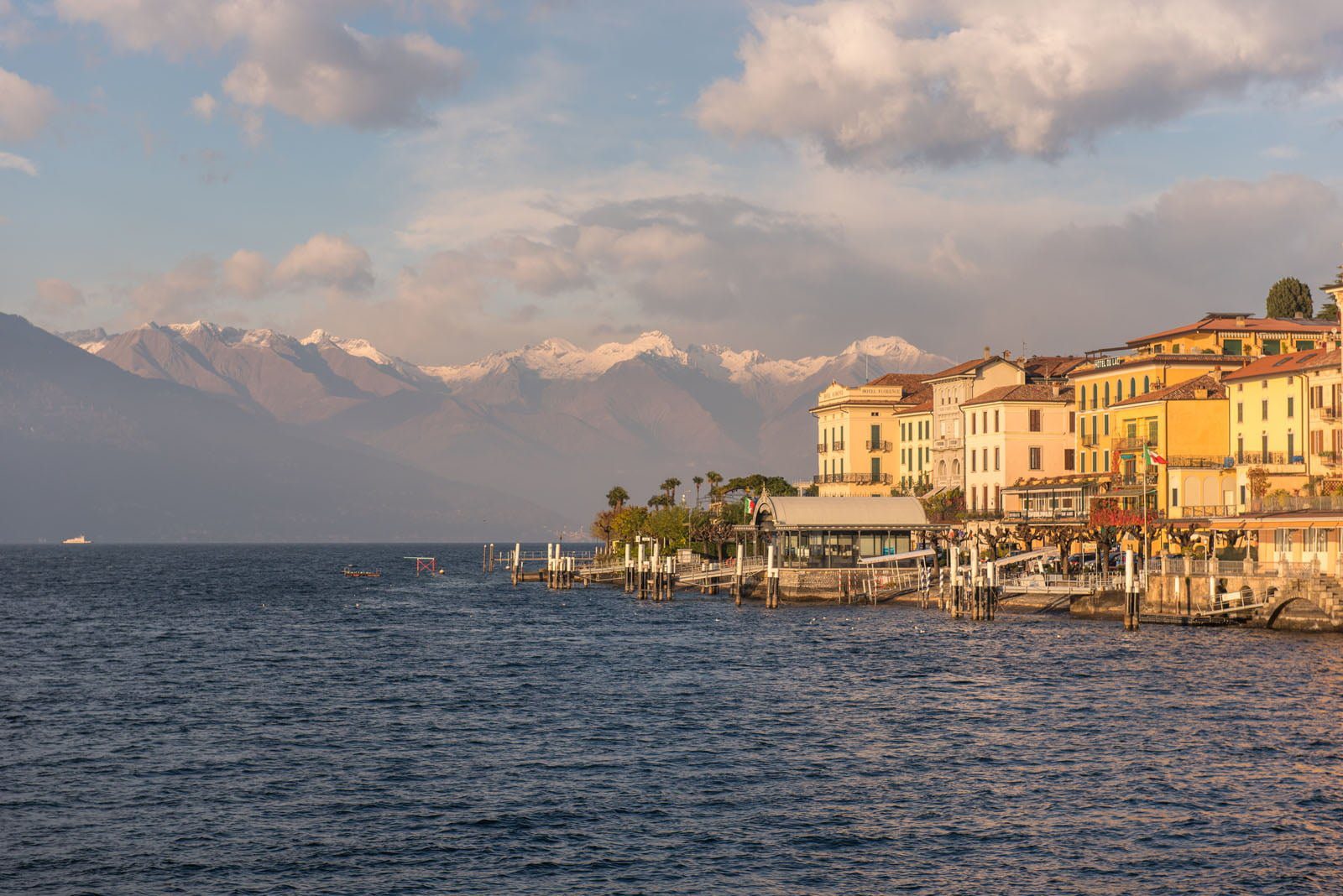
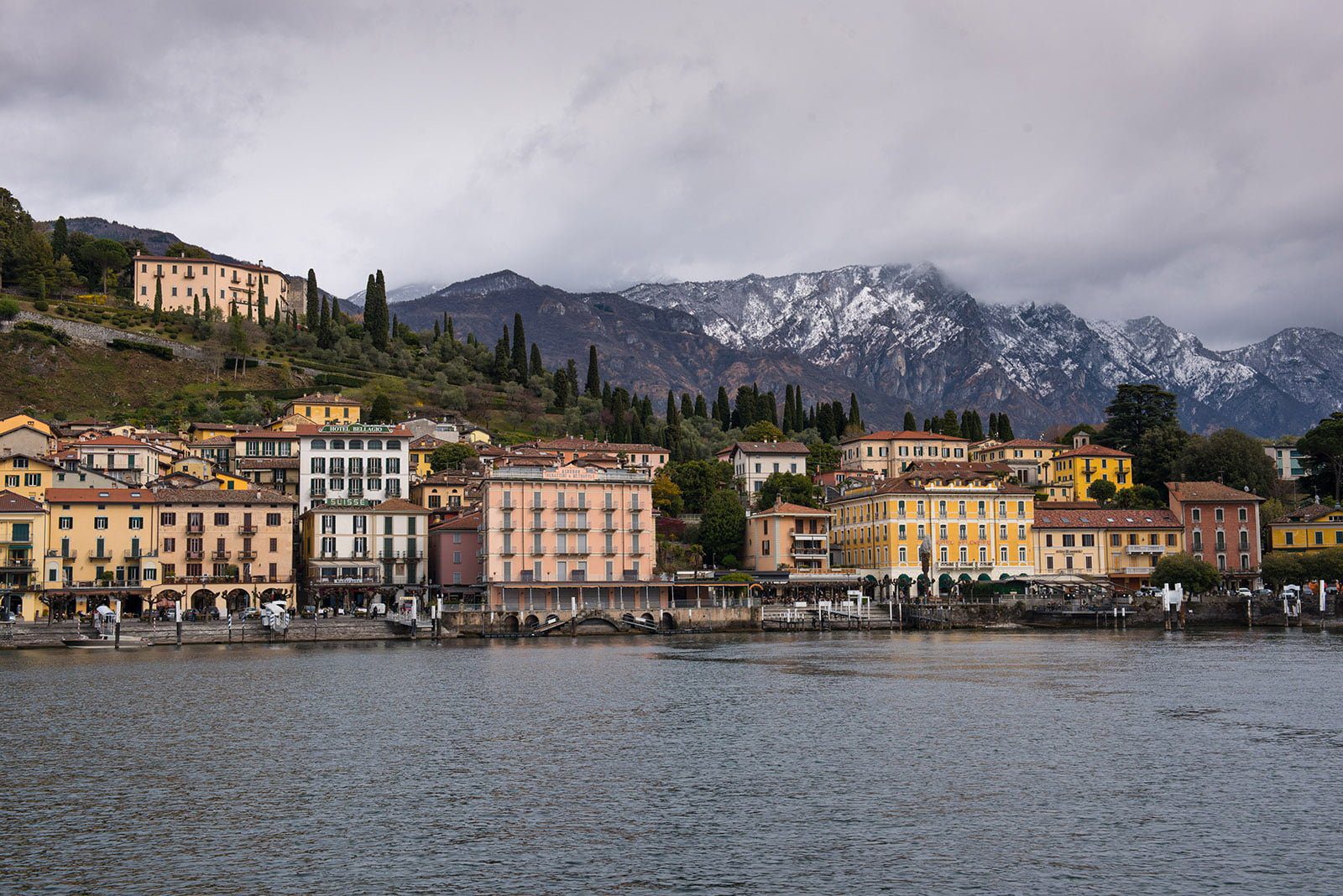
With its nickname the Pearl of Lake Como Bellagio sets high expectations. The small, charming town sits right at the tip of the Y-shaped Lake Como, dividing the lake into two. Every tourist has either visited Bellagio or at least remembers the name. The 3000 residents are happy to welcome tourists.
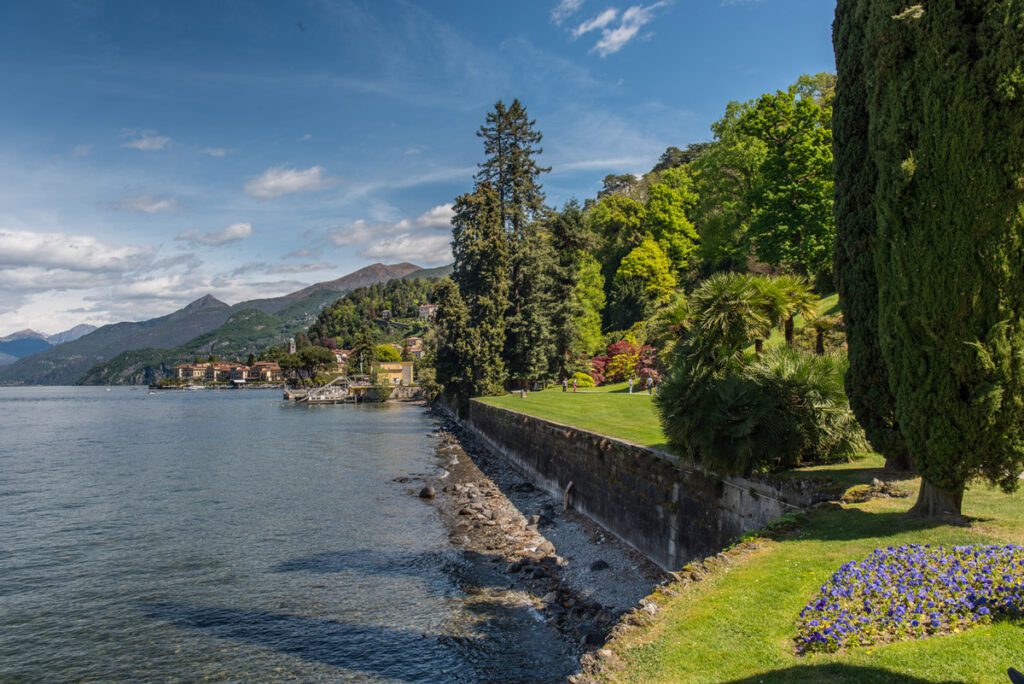
Despite its small size, Bellagio has a lot to offer. Villas? Villa Serbelloni and Villa Melzi d’Este. Hotels? Hotel Metropole, Hotel Genazzini, and Grand Hotel Bellagio. Churches and basilicas? Basilica di San Giacomo and Chiesa San Giorgio. The beautiful buildings reveal Bellagio’s rich history, with the town’s strategic location as a recurring theme.
Archaeological finds indicate human presence around 30,000 years ago. Between the 7th and 5th centuries BCE, Celtic tribes (the Insubres) occupied the western shore of Lake Como. Around 600 BCE, the Gauls, led by commander Belloveso, conquered the city of Como and continued their expansion northwards to Bellagio. The Gauls brought their customs and traditions to the Insubres. Commander Belloveso gave Bellagio the name Bellasium.
Around 225 BCE, Roman troops under the command of Marcus Claudius Marcellus advanced into Lombardy.
After fierce battles, the city of Como, the shores of Lake Como, and Bellagio fell into Roman hands, and the region became part of a Roman province.
Roman expansion continued unabated. Roman military troops on their way to more distant territories stopped in Bellagio. They spent the winter there, seeking shelter from the cold northern winds. Military ships were supplied and repaired in the shipyards for the next campaign. The Romans referred to the town as Bislacus and Belacius, reflecting its location between the two arms of Lake Como.
In 81 and 59 BCE, Claudius Scipio and Julius Caesar brought 3,000 and 5,000 settlers respectively (including Sicilians) to Bellagio. This cultural mix created a complex society. The town continued to expand. Mediterranean influence introduced olives and laurel to the region. Lake Como wasn’t yet called by that name. The Romans referred to it as Lago di Lario, the Laurel Lake.
During the Middle Ages, General Narses built a fortified defensive line connecting the Bellagio fort, Isola Comacina, and Castello Baradello to fend off attacks from Germanic tribes. Nevertheless, around 568, the Po Valley, parts of Lombardy, and the Italian Lakes fell into the hands of the Lombards. The Bellagio fort was occupied and, in 774, inhabited by King Liutprand.
A year earlier, the Battle of Pavia was fought. Charlemagne’s Franks invaded Lombardy from the Alps and defeated the Lombards. The Franks divided the new territory into several counties. Bellagio came under the rule of the Frankish kings.
In the tenth century, Emperor Henry V gifted parts of Lake Como, including Bellagio, to Bishop Eberardo of Como. The residents were obliged to provide products and revenues to the monks and priests. A rule that remained in effect for centuries. The generosity of Emperor Henry V fueled the Bishops’ War between Milan and Como in 1117 and 1127.
Milan supported Bishop Guido Grimaldi, appointed by the Pope. Como backed Bishop Eberardo. Bellagio’s fleet fought on Milan’s side. After several battles on land and water, the war ended with the destruction of the city of Como. Also ending Como’s subjugation by Milan. Bellagio became a free commune.
Bellagio’s strategic position remained important. The city of Como continued to attack Bellagio. In 1154, Bellagio was defeated and Frederick Barbarossa brought it under Como’s control again. Bellagio had to swear loyalty and pay taxes to its neighbor. Barbarossa’s aggression did not stop there. In 1162, he destroyed Milan, prompting Como to attack Isola Comacina and displace its inhabitants to Varenna and Bellagio. In 1176, Bellagio fought alongside Milan in the Battle of Legnano, defeating Barbarossa and Como.
By the end of the thirteenth century, the Visconti family gained control. An Italian noble house that ruled Milan from 1277 to 1447. Bellagio came under the Duchy of Milan. In 1440, Cernobbiesi attacked Bellagio and freed many political prisoners. The freed prisoners fled to the mountains and settled in a town they named Cernobbio in gratitude. The Visconti weakened and Milan surrendered, allowing Francesco Sforza to take power as Duke of Milan and Lombardy. Bellagio was occupied by Sforza’s troops and had to follow the duke’s rules. Sforza built a villa on a hill near Bellagio.
In 1508, Ludovico il Moro took Bellagio from the bishop of Como and gave it to his friend Marquis Vincenzo Stanga.
In 1533, Francesco Sfondrati received Bellagio as a fief. The wealthy Milanese Sfondrati family ruled Bellagio for two hundred years, investing heavily. Sforza’s villa was rebuilt and a new monastery and church were constructed for the Capuchins. Thanks to Bellagio’s strategic location, small trades developed, especially in silk. When the last Sfondrati family member died, Bellagio came under Count Alessandro Serbelloni.
Count Francesco Melzi d’Eril built a magnificent villa in Bellagio as his summer residence.
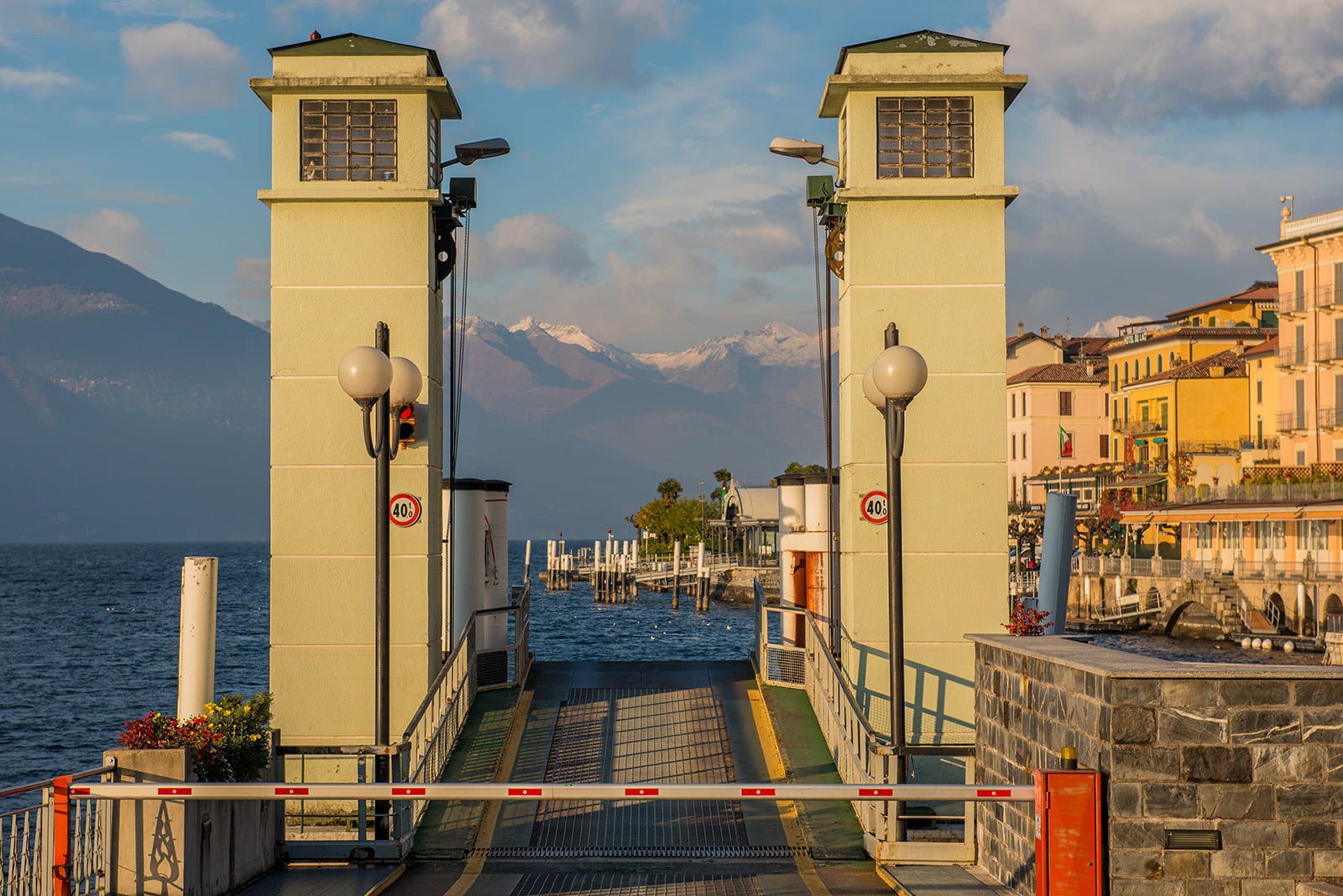
Milanese nobles discovered Bellagio. Roads were paved so travel by horse and carriage became faster and more comfortable. The region gained fame beyond the kingdom’s borders. The Austrian emperor stayed in Villa Serbelloni and Franz Liszt spent four romantic months in Bellagio with his mistress. In 1838, Emperor Ferdinand, Archduke Rainer, and Minister Metternich traveled from Varenna to Bellagio on the first steamboat Lario. Tourism grew and luxurious shops opened. Bellagio expanded and flourished. The old small harbor was replaced by a modern one with a large square. Bellagio got a post office, administrative offices, and a police station. The tourist character that we know today originated in the nineteenth century. Tourism grew and luxurious shops opened. Bellagio expanded and flourished. The old small harbor was replaced by a modern one with a large square. Bellagio got a post office, administrative offices, and a police station. The tourist character that we know today originated in the nineteenth century!
In 1859, as a result of the Second Italian War of Independence, Bellagio became part of the Kingdom of Italy under the House of Savoy, one of the oldest royal families in the world.
Tourism became the primary source of income for the residents. Hotels sprang up rapidly, including Hotel Genazzini, Hotel Firenze, originally the house of the captain of the Lario, and the Grand Hotel Bellagio, now known as Grand Hotel Villa Serbelloni. Bellagio became an international tourist attraction while retaining its dignity. Hotels sprang up rapidly, including Hotel Genazzini, Hotel Firenze, originally the house of the captain of the Lario, and the Grand Hotel Bellagio, now known as Grand Hotel Villa Serbelloni. Bellagio became an international tourist attraction while retaining its dignity. And that still holds true today, quietly catering to tourists…
Between 1943 and 1945, Bellagio was briefly part of the Italian Social Republic, a small state under Benito Mussolini. In 2014, Civenna and Bellagio merged, but the new community kept the name Bellagio.